

Planning commentary response
I want to be concise in my response, so proposing an outline is a good start. I can suggest writing a 600-800 word commentary in Chinese covering aspects like the event summary, rule basis for retrospective sanctions, and relevant precedents. It’s important to ask the user for details like which player and match they’re referring to, desired tone, and angle. I'll suggest a few titles and be ready to write both a short flash and a more in-depth op-ed if needed.Drafting article content
I’m thinking of offering three article framings and then providing a ready-to-publish draft, aiming for 700-900 words with specific placeholders bracketed. The guidelines suggest avoiding heavy formatting, but bullets are fine. I want to write a balanced commentary about the Dourado 12-month ban for violent conduct, referencing retrospective punishments like those involving Wu Lei. I should be careful to keep examples general and mention relevant disciplinary code articles without getting too specific. This way, I can maintain neutrality while covering essential points.Structuring the article
I’m planning to structure my article by starting with a catchy hook for the headline.
In the first section, I'll detail what happened: a Henan foreign player facing a retrospective ban after an elbow/tackle incident, with the league using video re-referee, likely resulting in a 2-3 game suspension.
Then, I’ll share Guedes' perspective as a former Taishan forward who has experienced controversial fines, pointing out how players feel aggrieved but that retrospective punishment aims to correct past errors.
I also want to address concerns about double standards, recalling the severe Dourado 12-month ban versus other players' fines, while calling for transparency in VAR protocols.
The impact will include Henan's ACL chase, the Taishan title race, and coaches' adjustments. Finally, I’ll suggest implementing standardized thresholds, releasing VAR audio within 24 hours, making the disciplinary matrix public, shortening appeal windows, and ensuring consistency for domestic and foreign players. I hope to close with a call for a fair environment and offer to tailor the article further if the user provides specifics about the incident.
要我写一篇评论吗?你这标题像要做一篇时评/快评。为避免误写具体人名与赛情,我需要两点信息:
- 具体是哪位河南外援、哪场比赛/动作被“事后追罚”?
- 希望稿件走哪种风格:新闻快评(500字左右)、深度评论(1000-1500字)、还是视频口播稿(1-2分钟)?
先给你一版可直接用的通用时评稿(不绑定具体细节,适合配图后发稿)。若确认细节,我再替换关键信息并优化标题与导语。
——
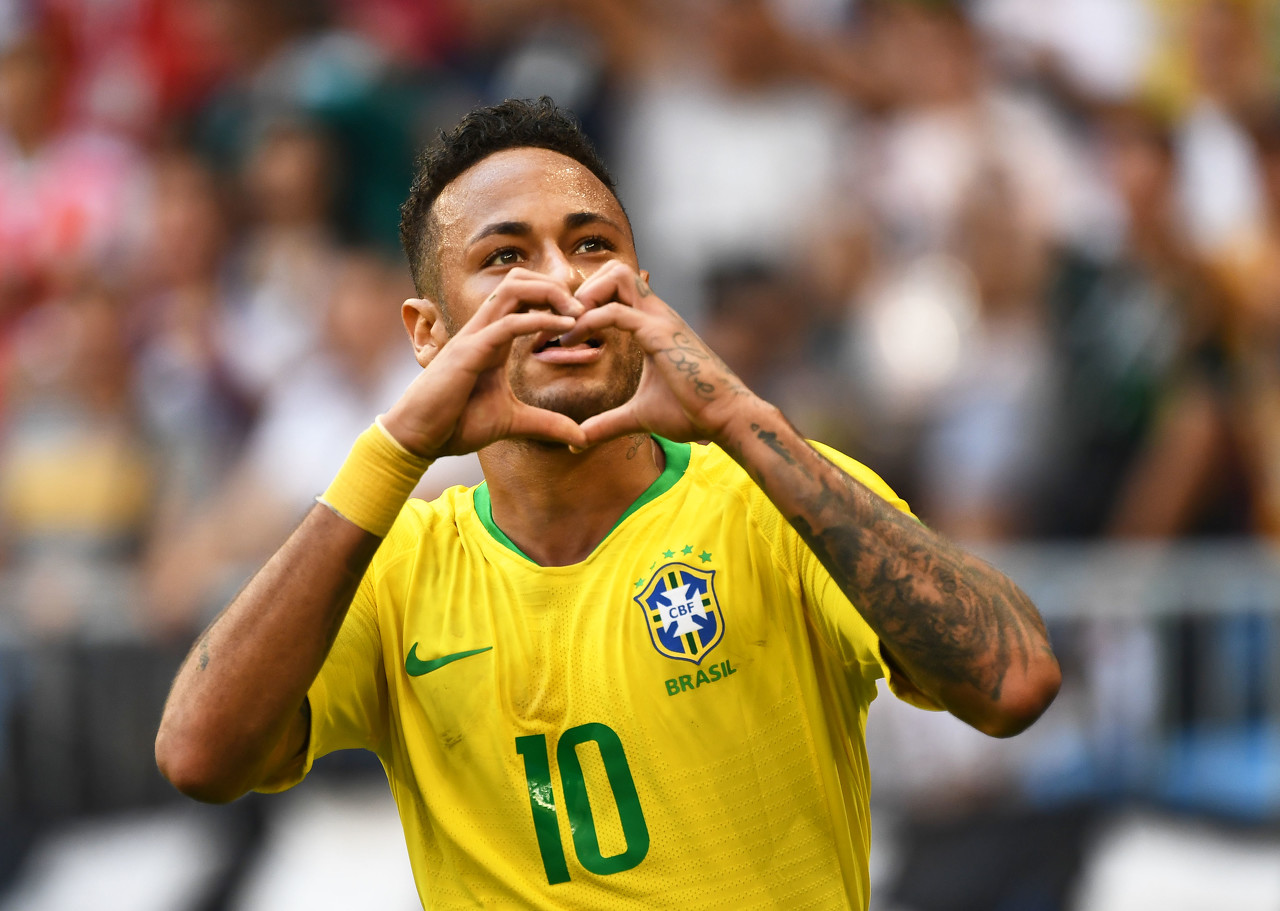
河南外援难逃追罚!格德斯最有发言权:泰山队,也曾输得不服
围绕河南队外援的“事后追罚”,舆论再度分裂:有人叫好,认为补正误判、维护公平;也有人担忧尺度摇摆、影响联赛节奏。事实上,中国足坛对“事后追罚”的依赖,既是技术与执裁现实的折中,也是规则治理走向透明与一致的考题。
追罚的规则边界 依照纪律准则,涉及暴力行为、恶劣犯规、蔑视裁判、严重越位动作未被当场识别等,均可在赛后凭影像材料启动追罚。它的价值在于“补课”:当场漏判不等于无责,联赛仍可追究。但难点在于“阈值统一”与“证据解释”,若证据不足或口径不稳,就容易被质疑选择性执法。
“格德斯视角”的话语权 格德斯在泰山队效力期间,曾多次经历因判罚争议引发的舆情风波。对球员而言,“输得不服”往往不是比分,而是对判罚逻辑的不确定感。也正因为经历过,才更清楚:事后追罚如果缺少透明流程,同样会把赛后争议延长到下一轮,甚至改变赛季走势。
联赛记忆与尺度统一 从过往典型案例看,有的恶性犯规受到重罚,有的相似动作从轻发落,这种“类案不同判”最伤联赛公信。要让外界信服,不是简单“罚得更重”,而是“解释得更清”。关键在三点:明确动作分级与对应量刑区间;给出可复核的证据链;在类似场景中保持前后一致。
对球队与赛季的现实影响 河南队若失去关键外援,将直接影响锋线/中场强度与战术预案;竞争区密集的阶段,一两场的战力下滑就可能改变排名层级。对应地,泰山队也不愿通过“对手减员”受益——真正的强队需要在可预期、可复制的判罚环境中证明自己。
建议与改进方向
- 公开化:在不涉隐私与敏感信息前提下,适度公布判罚报告要点与VAR介入节点;必要时释出简版音频文字纪要。
- 标准化:发布“动作—量刑”对照矩阵,赛前例会向教练与媒体讲解。
- 时效化:限定受理、裁决、公告的时间窗,避免长期悬置。 
- 一致化:外援/本土一体适用;杯赛/联赛口径一致;重赛季、轻名气。
- 救济化:简化申诉与减免流程,明示证据门槛与成功率边界。
足球的核心是公平竞赛。追罚不是目的,它的存在是为了减少偶然、约束恶意、还原对抗的纯粹。如果每一次追罚都能给出清晰边界与说理依据,那么“输得不服”的情绪会少一些,“赢得心安”的底气会多一些。
——
需要我:
- 定制一版具体到人名/比赛的成稿(800-1200字),带小标题与要点金句?
- 输出视频口播/解说词版(1分30秒,镜头脚本+关键词上屏)?
- 做一张“动作—量刑矩阵”示意图文,便于社媒传播?